1. Why Dumbbell Chest Workouts Build Superior Strength
A dumbbell chest workout provides freedom of movement that barbells simply can’t. When you lift with dumbbells, each arm works independently, ensuring balanced strength and eliminating muscular imbalances. This unilateral control recruits more stabilizer muscles in your shoulders and core, resulting in fuller development of your pectoral muscles. Studies show that free-weight training activates up to 40% more muscle fibers than machine exercises, leading to greater strength and hypertrophy gains. Dumbbells also allow a deeper stretch at the bottom of each press, increasing muscle engagement and growth potential across the entire chest.
2. The Science Behind Chest Muscle Activation
During a dumbbell chest workout, your chest muscles — primarily the pectoralis major and minor — are engaged in both horizontal adduction and stabilization. The dynamic control needed to balance dumbbells recruits additional fibers, particularly in the inner and outer chest. Research from the Journal of Strength and Conditioning Research shows that dumbbell presses produce higher activation in the sternal portion of the chest than standard barbell presses. This makes dumbbells a more efficient choice for overall chest shaping, muscle symmetry, and functional strength.
3. Warm-Up Essentials for Maximum Performance
A solid warm-up primes your body for heavy lifting and reduces injury risk. Begin with 5 minutes of light cardio, such as jumping jacks or brisk walking. Follow this with dynamic chest stretches like arm circles and push-up planks. Finish your warm-up by performing one light set of your first dumbbell chest workout movement. Proper warm-ups improve blood flow and increase flexibility, helping you maintain form during heavier lifts while maximizing your power output.
4. Flat Dumbbell Bench Press — The Foundation
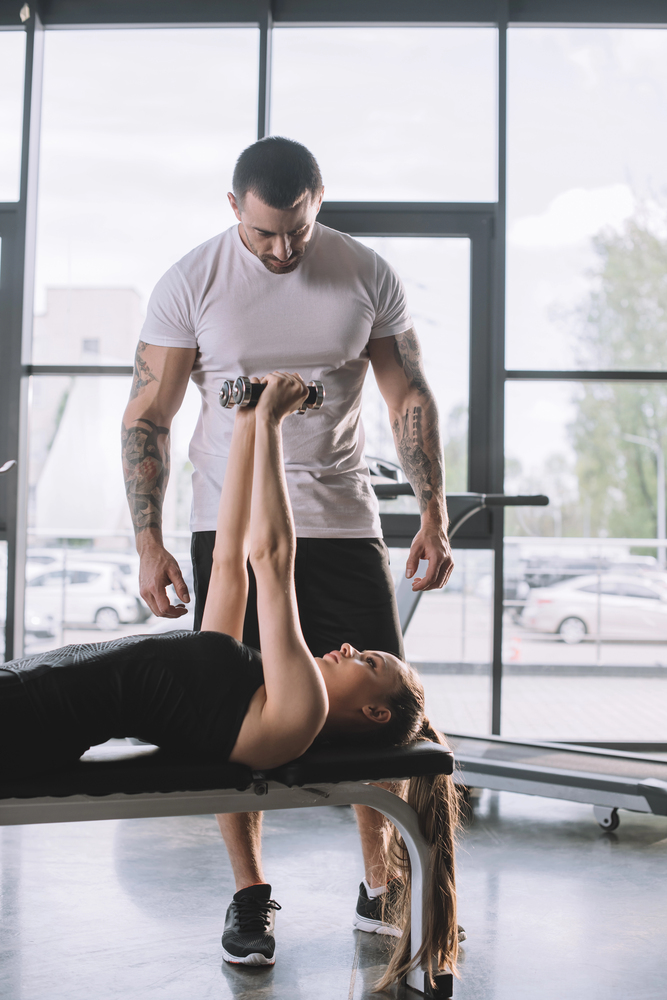
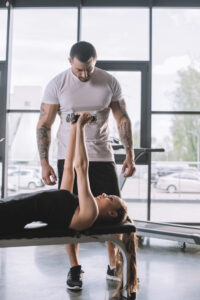
The flat dumbbell bench press is the king of chest exercises. Lie flat on a bench with a dumbbell in each hand, palms facing forward. Lower the weights slowly until your elbows are at a 90-degree angle, then press them back up. This movement builds mass across the central pectoral region. Use moderate to heavy weights to push your limits safely. When done consistently, this dumbbell chest workout move triggers muscle growth and explosive strength gains.
5. Incline Dumbbell Press for Upper-Chest Development
Incline presses emphasize the clavicular head of the pectoral muscles, giving your upper chest a lifted, sculpted appearance. Set your bench to a 30-45-degree angle. Hold dumbbells over your chest and lower them toward your upper pecs, maintaining control. This dumbbell chest workout targets the area that connects your chest and shoulders, helping create that well-defined “armor plate” look. For best results, perform 3 sets of 8–10 reps with a controlled tempo.
6. Decline Dumbbell Press for Lower-Chest Focus
To complete your chest development, add decline dumbbell presses. Lie on a decline bench, grip your dumbbells firmly, and lower them toward your lower pecs. This variation isolates the lower portion of your chest, giving it roundness and density. Combined with incline and flat presses, this creates a balanced, three-dimensional chest. The dumbbell chest workout combination of these angles ensures total activation from top to bottom.
7. Dumbbell Flyes for Stretch and Shape
Dumbbell flyes are an isolation movement that stretches and sculpts your chest. Lie flat, hold the dumbbells above your chest, palms facing each other. Lower them in a wide arc until you feel a deep stretch, then bring them back up. Keep a slight bend in your elbows to protect your joints. This dumbbell chest workout move enhances definition and helps create that classic “chest separation” aesthetic prized by bodybuilders and athletes alike.
8. Single-Arm Dumbbell Press for Balance and Core Strength
Performing one-arm presses challenges your balance and forces your core to engage. Lie on a flat bench, hold one dumbbell, and press it upward while keeping your opposite arm extended for stability. This asymmetric dumbbell chest workout develops coordination, stabilizer muscle endurance, and functional upper-body power. Alternate arms each set for equal development.
9. Dumbbell Pullover for Expanded Chest Volume
A classic yet underrated movement, the dumbbell pullover works both your chest and lats. Lie across a bench so your shoulders rest on the surface and your hips drop. Hold a single dumbbell over your chest and slowly lower it behind your head before pulling it back over your torso. This dumbbell chest workout move expands your rib cage and stretches your pectorals, creating a broader, fuller appearance.
10. Neutral-Grip Dumbbell Press for Shoulder Protection
If you experience shoulder discomfort, the neutral-grip press (palms facing each other) is a safe, joint-friendly alternative. It reduces shoulder rotation and keeps tension centered on your chest. Performing this variation during your dumbbell chest workout maintains steady progress while protecting your joints from overuse injuries. Use moderate weights and focus on slow, controlled motion.
11. Dumbbell Squeeze Press for Constant Tension
In this move, press the dumbbells together throughout the lift. The inward tension continuously activates your inner chest, providing a powerful contraction. This dumbbell chest workout variation enhances definition between the pectoral heads, creating that tight midline look. Perform 3 sets of 10–12 reps for maximum results, emphasizing control over momentum.
12. Finisher: Dumbbell Push-Up Rows for Endurance
Combine push-ups with rows using light dumbbells to end your session strong. This hybrid move builds chest endurance and back stability simultaneously. Perform push-ups holding dumbbells, then row each arm alternately at the top. The dumbbell chest workout finisher delivers total upper-body fatigue, pumping blood into your chest and shoulders for maximum muscle growth and conditioning.
13. Programming Tips for Growth and Recovery
To see consistent results, train your chest twice weekly with at least 48 hours of rest between sessions. Combine heavy compound lifts (presses) with isolation moves (flyes and pullovers). Fuel recovery with protein-rich nutrition and adequate sleep. Track your progressive overload — gradually increasing dumbbell weights over time ensures continuous adaptation. Remember, the best dumbbell chest workout routine is one you can sustain safely and consistently.
14. Common Mistakes to Avoid
Avoid bouncing the dumbbells off your chest, locking elbows abruptly, or using excessive weights that sacrifice form. Each rep should be smooth and controlled. Neglecting proper range of motion limits gains and increases injury risk. Equally important: balance your chest training with back and shoulder exercises to prevent postural issues. Precision, not ego lifting, defines a successful dumbbell chest workout routine.
15. Conclusion: Power and Aesthetic in One Routine
A dumbbell chest workout offers unmatched flexibility, safety, and effectiveness for building a strong, balanced, and aesthetic physique. With these 12 powerful exercises, you can sculpt every section of your chest, enhance muscle coordination, and build real-world strength. Stay consistent, respect recovery, and focus on perfect form. Over time, you’ll notice your chest growing stronger, fuller, and more defined — a true symbol of discipline and power.
References
About the Author